
For months, I had been preparing for this. A three-day solo survival trip in the Catskill Mountains—just me, a few essential tools, and the wilderness. No tent, no sleeping bag, no modern comforts. The goal was simple: test the survival skills I’d learned during my training last year in the Utah desert. But as with any good adventure, things didn’t go exactly as planned.
Day 1: The Journey Begins (With a Speeding Ticket)
I woke up at 5am, full of anticipation. By 5:30, I was on the road, heading toward the Catskills. But just when I thought the journey was off to a smooth start, I got slapped with a speeding ticket. A reminder that no matter how much we prepare, life has a way of throwing unexpected obstacles at us. I could have let it dampen my mood, but instead, I took it as my first lesson: in survival, nothing goes perfectly.
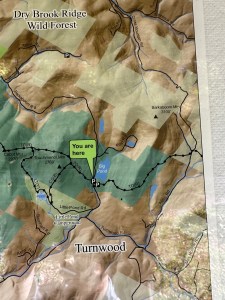
I arrived at the trailhead a little later than expected and set off at 9:10am. The first leg of the hike was steep and challenging, with downed trees from recent storms and trail markers that were either missing or hard to find. After about 1.5 hours, I hit a junction where the trail bent in an unexpected direction. The markers didn’t align with my map, and the compass wasn’t making sense either.
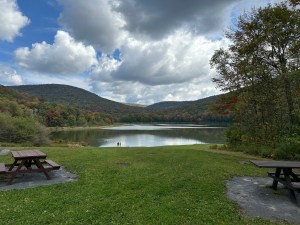
Frustration kicked in, and I had a decision to make. Should I follow the well-marked trail, even though it felt wrong? Or should I trust my instincts and risk going off-trail this early into the trip? I decided to play it safe and followed the marked trail, which ended up adding about 2 miles to my day’s hike. I ended up at Little Pond, a beautiful but unintended destination.
At that point, I had to regroup. This wasn’t the plan, but that’s the nature of survival—you adapt. After resting, I recalculated my route, pulled out my compass and map, and set off again. The next leg was steeper and tougher, and the trail markers continued to be sparse. At one point, I decided to go off-trail entirely, relying on my map and compass to navigate to Big Pond, my next destination. The terrain was rough, and fatigue set in quickly. My legs started cramping—a familiar sign that I was nearing my physical limits for the day.
When I finally reached Big Pond around 2:30pm, I was exhausted and nearly out of water. I took the time to source and treat water, resting my legs and reflecting on the day’s challenges. The original plan was to continue on to Alder Lake, but by that point, it was clear I wouldn’t make it. My legs were shot. I made the call to stop early, found a level area to set up camp, and built my shelter for the night.
Dinner was simple—trail mix and beef jerky. After hanging my bear bag, I settled into my makeshift shelter by 7:45pm. The first night wasn’t terrible, though I woke up several times, tossing and turning as the temperature dropped. In the wilderness, comfort is relative.




Day 2: Skills, Fatigue, and Adaptation
The morning started with something that felt like luxury: wilderness coffee. I had brought my coffee grinder and some beans, heated water over a fire I built, and used a paper filter to make what was easily one of the most satisfying cups of coffee I’ve ever had. There’s something about the contrast of being out there, far removed from the comforts of home, that makes the little things—like a hot cup of coffee—so much more meaningful.
After breaking down camp and sticking to my “leave no trace” principles, I set off again. This time, I was careful to stay on top of my map and compass, not trusting the trail markers alone. I made steady progress, even though the hike remained challenging. Along the way, I sourced more water from a tiny spring that was barely dripping out of the mountain. It was mostly mud, so I filtered it through a bandana—an important survival skill I hadn’t tested before. I dubbed it “mud water.” It wasn’t glamorous, but it worked.
I arrived at Alder Lake in the early afternoon. After hiking around the lake, I picked my campsite and set up my shelter for the night. As I gathered wood for my fire, I reflected on the skills I had practiced before the trip and how much easier they were to perform. I had successfully navigated, sourced water, and built my shelter without issue. But other skills—like starting a friction fire with a bow drill—were proving elusive. I hadn’t practiced them enough, and my fatigue was making it hard to find the energy to even try.
When it came time to light my fire for dinner, the magnesium fire starter wasn’t working. The fuel was too damp to catch a flame. After several failed attempts, I decided to improvise. I burned one of my bandanas to get the kindling dry enough to start the fire. It worked, and I was able to boil water for my freeze-dried meal. After dinner, I improved my shelter based on lessons from the previous night, and settled in for a much more comfortable sleep.
Day 3: The Final Push
On the last morning, I woke up early, made my coffee, and packed up camp. I knew the hike back would be tough, but I was determined to make it out that day. The previous two days had been physically exhausting, and my legs were still sore. I had to pace myself carefully, knowing that if I pushed too hard, I’d risk cramping up and possibly having to stay another night orhitchhike back to my car. Neither option was appealing.
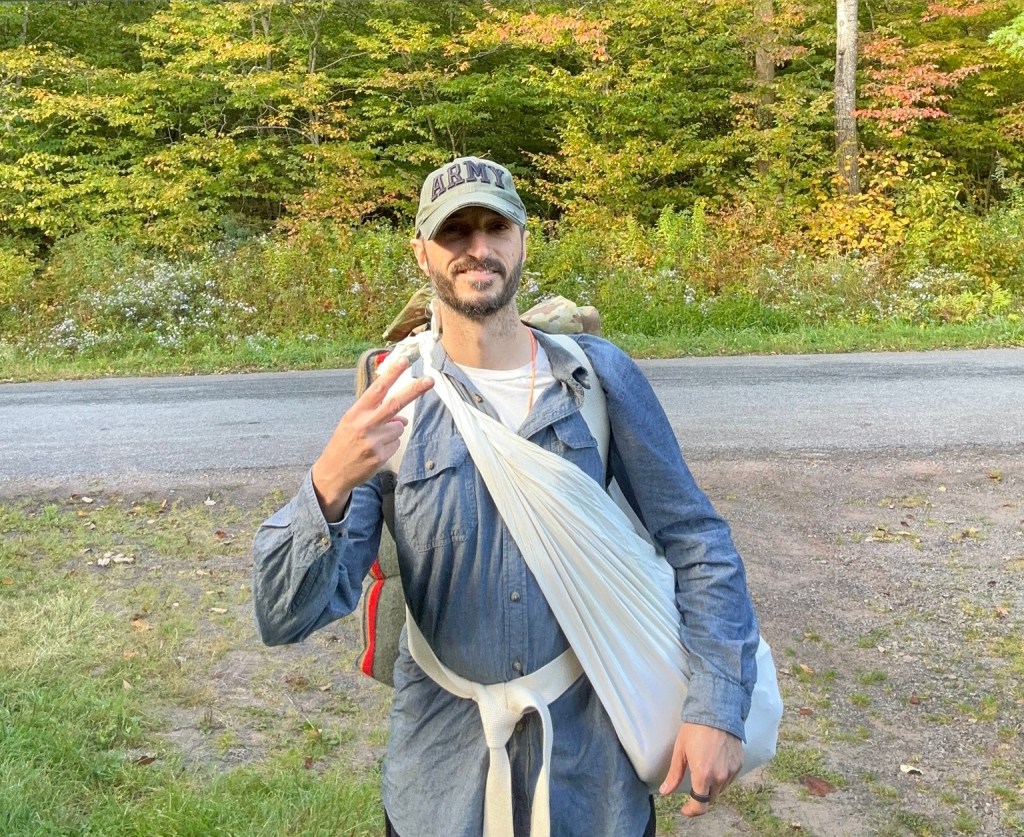
The hike was long and grueling. I made a few wrong turns, adding more miles to my already long day, but I managed to stay focused and avoid any major setbacks. By the time I reached my car at 4:45pm, I was completely spent. My legs were burning, my feet were sore, but I had made it. The sense of accomplishment was overwhelming.
Over the course of three days, I stuck to my calorie restrictions (1,000 calories on Day 1, 1,500 on Day 2, and 1,000 on Day 3), lost exactly 3 pounds, and pushed my body and mind further than I’d anticipated. I had learned a lot—about survival, about myself, and about the importance of preparation.

Key Takeaways
1. What You Practice, You Can Do
The skills I had practiced before the trip—navigation, shelter-building, water sourcing—came naturally, even when I was fatigued. The skills I hadn’t practiced? I didn’t do them. Fatigue made it nearly impossible to muster the energy to tackle the harder tasks, like starting a friction fire. Lesson learned: practice makes survival easier when you’re exhausted.
2. Flexibility Is Key
My original plan fell apart almost immediately, but the real test wasn’t sticking to the plan—it was adapting to the reality on the ground. Detours, trail markers disappearing, cramping legs—survival is about adjusting, not controlling.
3. Small Comforts Matter
Whether it was my morning coffee or getting a fire going after several failed attempts, small wins make a big difference in maintaining morale in tough conditions. Those moments of comfort can carry you through the hardest parts.
4. Survival Is More Mental Than Physical
The physical challenges were tough, but the mental game was even harder. Being alone with your thoughts for days on end forces you to confront yourself in ways everyday life doesn’t. Journaling helped me process those thoughts and emotions, and it’s something I’ll carry forward with me.
By the time I got home, I was exhausted but fulfilled. The trip was far from perfect, but that’s the point. Survival is messy, unpredictable, and uncomfortable. But it’s in those moments—when nothing goes according to plan—that you really find out what you’re capable of.

